

Discover exciting historical events from 11th July, including Pluto’s planetary downgrade, John Keats’ poetic journey, Charlotte Cooper’s Olympic victory, and the incredible story of a fake Paris built to outsmart enemy bombers during World War I. Perfect for curious young minds!
Dear Students,
Do you know a city as fabulous and famous as Paris was once cloned? Yes, you heard that right—a whole fake Paris was built! But before we set off on that exciting story, let’s take a quick rocket-ride through the marvellous events that happened on 11th July in history!
🌌 Pluto: The Planet That Lost Its Status
Once upon a time, in our very own Solar System, there were nine planets. That was until 2006, when the International Astronomical Union (IAU) decided Pluto wasn’t quite up to the mark. Why?
To be a planet, an object must:
- Orbit the Sun ✅ Pluto does that.
- Be round in shape ✅ Pluto’s shape is fine too!
- But—uh oh!—it must clear its neighbourhood, meaning it shouldn’t share its orbit with others. ❌ Pluto fails here, because it lives in a busy part of space called the Kuiper Belt, like a planet in a very crowded classroom!
So poor Pluto was demoted to a dwarf planet. But on 11th July 1735, something interesting happened. Pluto actually became the eighth planet from the Sun, instead of the ninth! Why? Because of its wobbly, egg-shaped orbit, which brought it closer to the Sun than Neptune. This rare event lasted 14 years!

☄️ The Comet Catcher from France
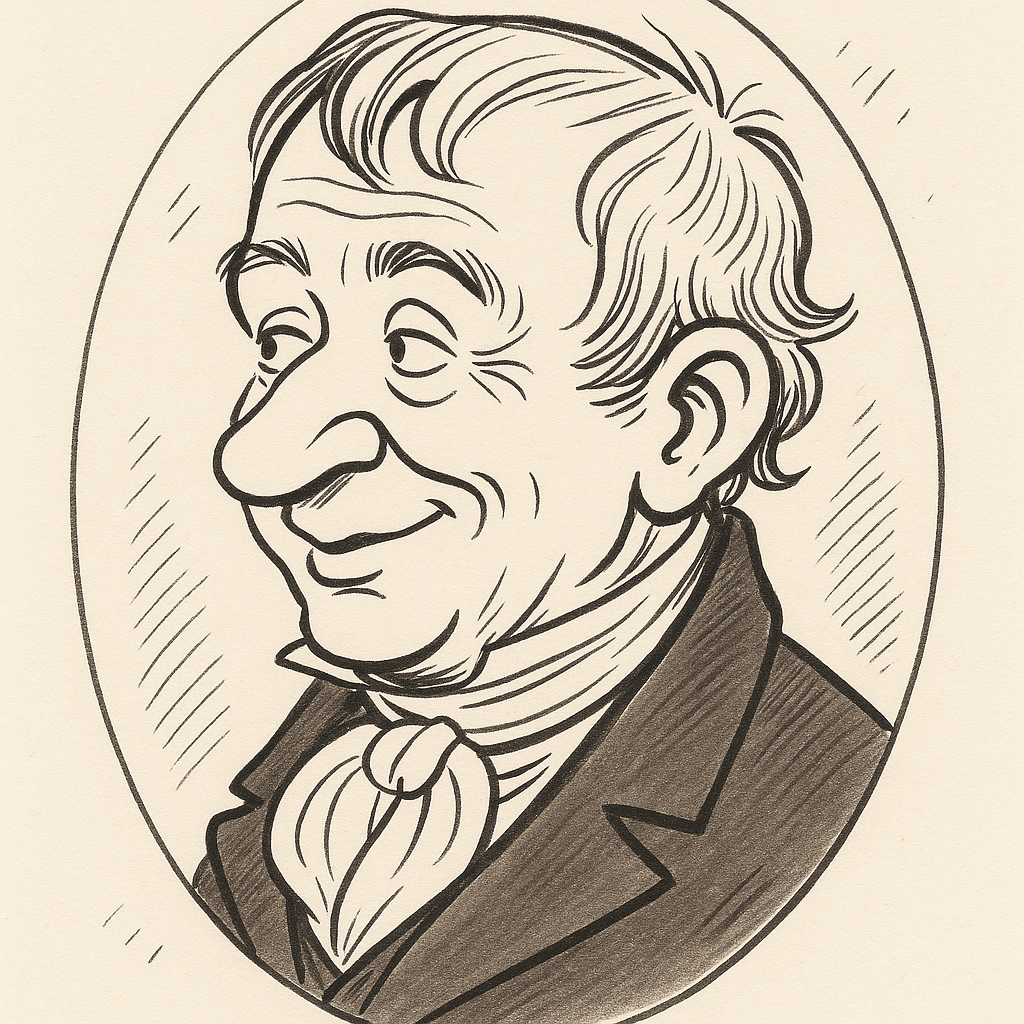
On 11th July 1801, a French astronomer named Jean-Louis Pons discovered his first comet! He wasn’t just any stargazer—he built his own powerful telescope called the Grand Chercheur, or “Great Seeker.” Sounds like a superhero gadget, doesn’t it?
🖋️ Poetic Mountains and Buzzing Gadflies
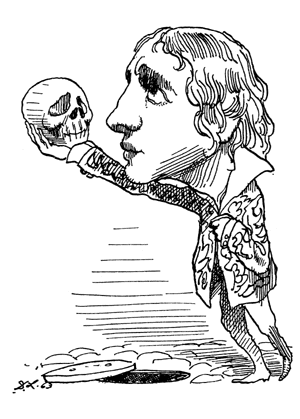
On this very same day in 1818, the young English poet John Keats picked up his pen and wrote three lovely poems including “In the Cottage Where Burns is Born” and “Lines Written in the Highlands.” He was inspired by nature, dreams, and everything beautiful. His words still make people sigh with wonder!
🎾 Serving Up History
In 1900, Charlotte Cooper did something truly smashing! She became the first woman to win an Olympic gold medal in tennis, and the first female Olympic champion in any individual sport. Talk about acing history!

🗼 Now the Big Secret: The Fake Paris!
And now, for the jaw-dropping story I promised…
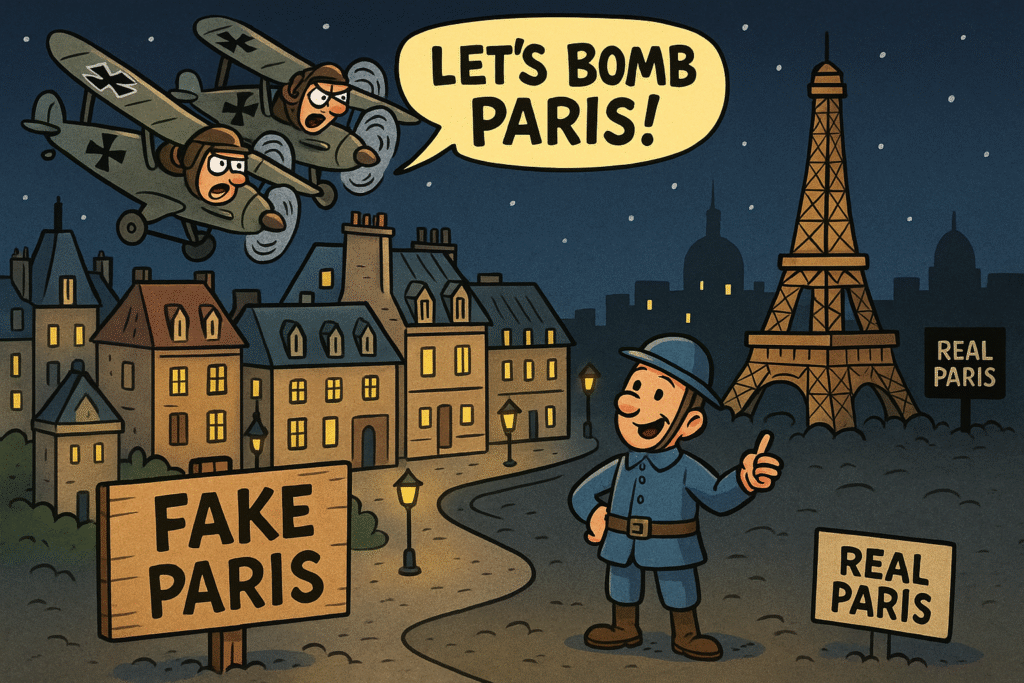
Back in 1917, during the dark and dangerous days of World War I, the French came up with a clever trick to fool the German pilots. Since radar hadn’t been invented yet, pilots flew using rough maps and guesswork. So, what did the French do?
They started building a fake Paris—a decoy city! 😲
- It had fake buildings, dummy streets, and even dim lights to make it look like real people lived there.
- The real Paris went dark at night.
- The hope? German planes would be tricked into bombing the fake city instead of the real one!
Imagine that—an entire pretend Paris, built just to save the real one!
But just as they were putting the final touches on this dazzling disguise, the war ended in 1918, and the fake Paris was never fully finished. Still, it remains one of the boldest and brainiest ideas in the history of wartime deception.
As historian John Ptak put it, “Even in the extraordinary history of deception, sham Paris was extraordinary.”
🎓 Until Next Time…
So, dear young explorers, whether it’s a planet with an identity crisis, a poet with a dreamy pen, or a pretend Paris lit up like a fairytale—11th July has always been a day full of wonders!
Stay curious, stay brilliant.



Gunjan Saxena - Born to Fly - Epic Words
[…] By now, tiny little Gunjan had grown into a charming young girl, but her dream of becoming a pilot remained […]