Celebrate 5th June with this article for children exploring the story of Isaac Newton, the incredible lives of Indian polymaths and more in this fun and educational journey through science, history, and inspiration!
Dear Students,
Have you ever thrown a ball high up into the sky while playing cricket or football and wondered why it doesn’t just float away? Or asked yourself why we don’t fall off the Earth even though it’s round and spinning? The answer lies in a magical force that keeps everything in place—gravity.

And the man who first explained this force to the world was a brilliant scientist from England named Isaac Newton.
🍎 The Famous Apple Story
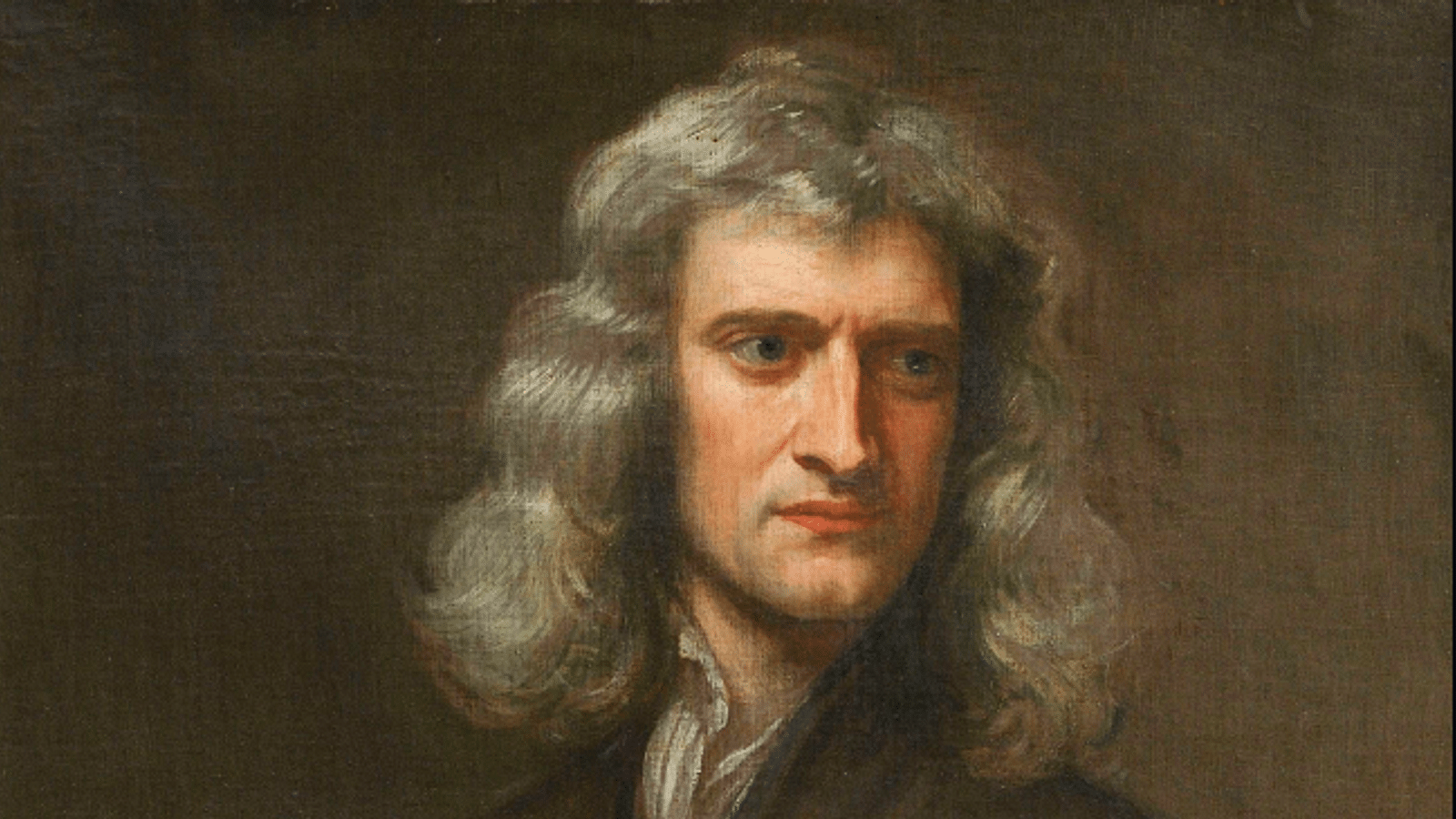
Let’s travel back to a warm summer evening in the year 1666. A young Isaac Newton, having just finished his dinner, decided to sit under an apple tree in the garden of Trinity College, Cambridge. Suddenly—thump!—an apple fell on his head!
Ahh? Yes. But also, Eureka! That apple made Newton think: Why did it fall straight down? What force pulled it? That simple question gave rise to one of the biggest scientific ideas ever—the law of gravity.

But did you know something else interesting? Newton had joined Cambridge University on 5th June 1661, five years before that apple incident. That’s why we celebrate this curious and clever moment on 5th June.
🌟 Who was Isaac Newton?
Isaac Newton wasn’t just a physicist. He was also a mathematician, astronomer, alchemist, theologian, and author. Such a person, who is skilled in many different subjects, is called a polymath.
And guess what? India, too, has given the world many brilliant polymaths.
🇮🇳 Indian Polymaths You Should Know
🔢 Brahmagupta (7th Century)
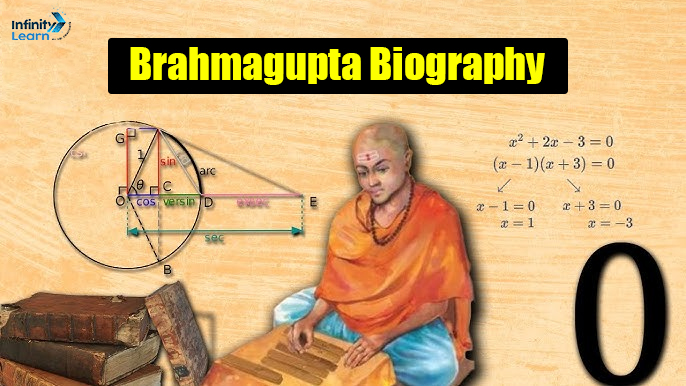
Did you know the number zero (0)—yes, the one you see every day—was first used and explained by an Indian mathematician named Brahmagupta? He wasn’t just good at maths; he was also an astronomer who observed the stars and planets without any telescope!
🌱 Acharya Jagadish Chandra Bose
Have you heard of plants having feelings? Yes, plants! That’s what J.C. Bose, a great Indian physicist and biologist, proved. But wait—he was also a writer of science fiction, making him a true polymath.
His stories, like “Niruddesher Kahini” (The Story of the Missing One) and “Palaatuk Tufan” (The Runaway Cyclone), were written way back in 1896, making him the father of Indian science fiction.

🧪 Satyendra Nath Bose
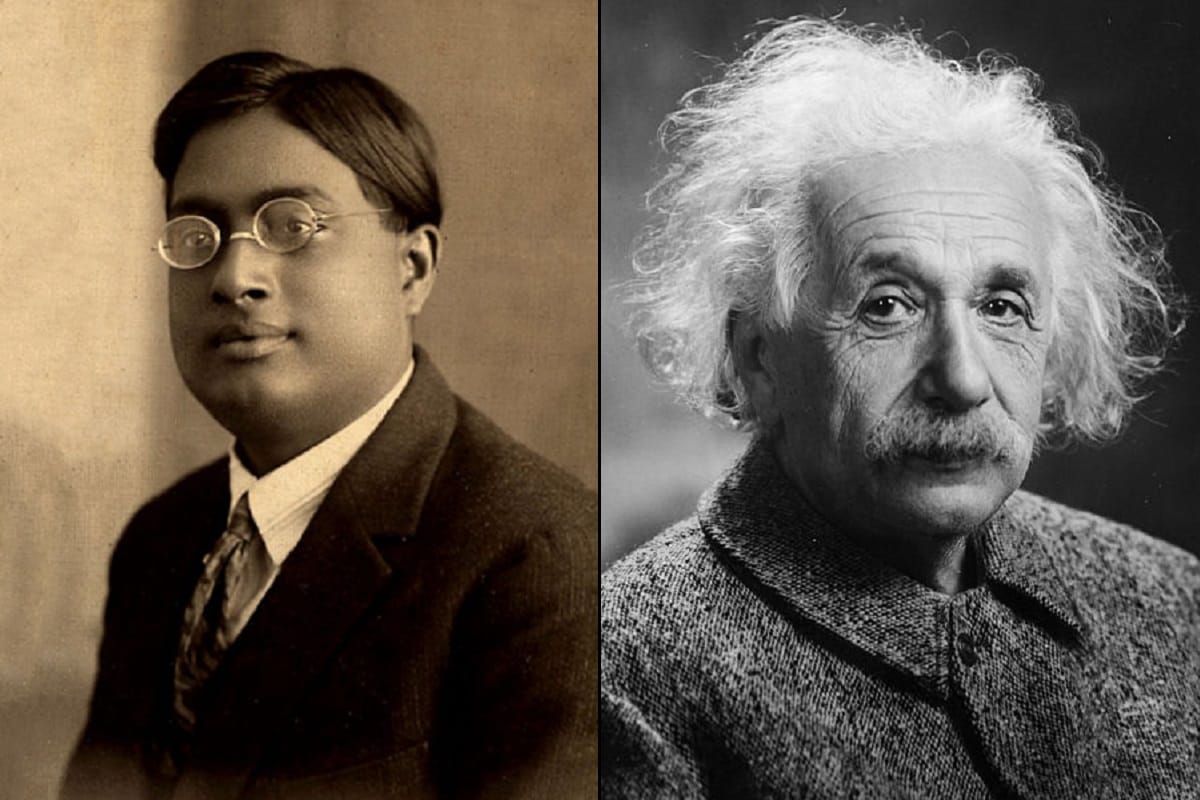
One of Bose’s students went on to become a global name—Satyendra Nath Bose. Ever heard of Bosons in science? They’re named after him! He worked on quantum mechanics and his ideas led to what we now call the Bose–Einstein Condensate. Big terms—but remember, it all started with curiosity and love for numbers!
♾️ Srinivasa Ramanujan – The Man Who Knew Infinity
Now here’s a real hero. Ramanujan had almost no formal education in maths. But his brain sparkled with numbers and patterns. He discovered amazing formulas in number theory, infinite series, and continued fractions that are still being studied today.

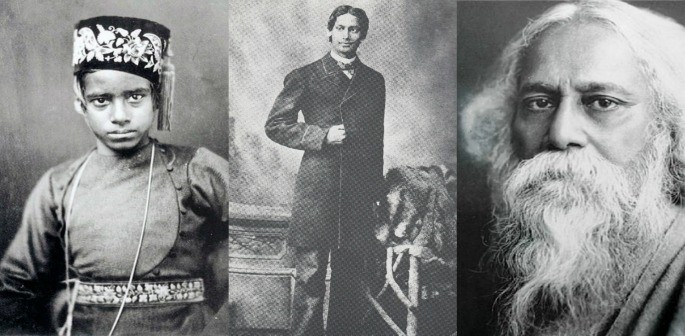
✍️ Rabindranath Tagore – The Poet Polymath
Yes, you know him as a great poet, the writer of our national anthem. But Tagore was also a painter, educationist, musician, and philosopher. His conversations with Albert Einstein on science and spirituality are legendary!
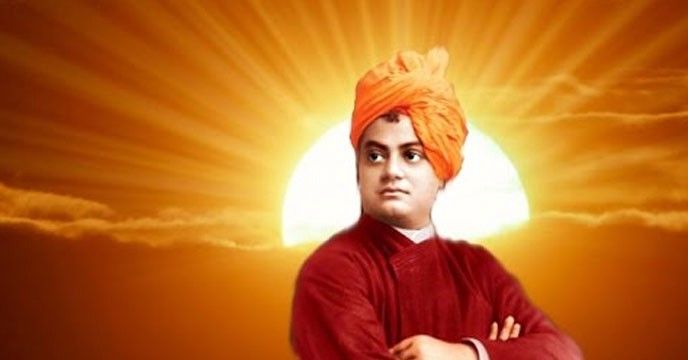
🧘♂️ Swami Vivekananda – The Spiritual Scientist
You might know him as a monk and philosopher, but Swami Vivekananda was also a mathematician and a lover of science. He believed that science and spirituality must go hand in hand. He was also part of the mysterious Freemason Society—if you want to know more, just ask, and we’ll explore that world together.
💻 Ada Lovelace – The Mother of Computers.
Now, let’s zoom ahead in time to 5th June 1833, when a clever young lady named Ada Lovelace met the inventor Charles Babbage. Ada wrote the world’s first computer program, even before computers existed! Her work on the Analytical Engine helped build the dream of machines that could “think”.
Because of her, we have computer programmers today. She’s often called the mother of computer science!

🍏 Apple Again – But This Time, It’s a Computer!
Let’s jump forward again to 5th June 1977. On this day, the company Apple released the Apple II computer. This was one of the first computers that people could buy and use at home or in schools. It had colourful graphics and even a keyboard—super exciting for that time!
This event marks a huge leap in technology, just like Newton’s apple did three centuries earlier.
Check out this advertisement of Apple II in 1977.
📚 What Can We Learn from All This?
- Be curious like Newton.
- Be imaginative like Ada Lovelace.
- Be determined like Ramanujan.
- Be multitalented like our Indian polymaths.
- And most importantly, never stop asking why.
Because every discovery, every invention, every apple that falls—can lead to something amazing!