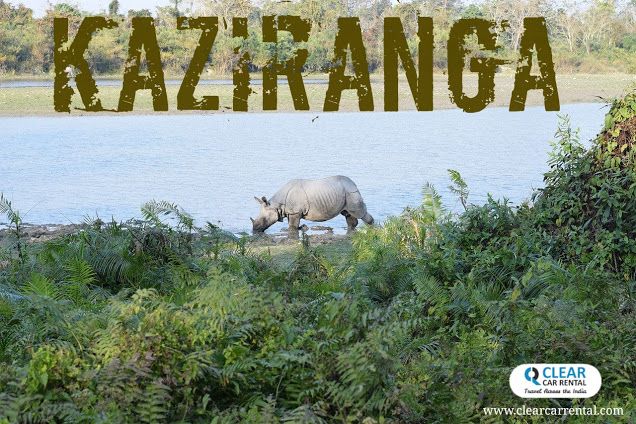

Explore the beauty and biodiversity of Kaziranga National Park, Assam’s pride and a UNESCO World Heritage Site. Famous for its one-horned rhinoceroses, Bengal tigers, rich birdlife, and successful conservation efforts, Kaziranga stands as one of India’s greatest wildlife treasures.
When I think about India, the first thing that comes to my mind is its diversity. India is home to people of many cultures, languages, and traditions. India is also known for its rich and diverse wildlife. From aquatic creatures to land-based animals, India provides a home to countless species. The country is filled with forests, national parks, wildlife sanctuaries, and forest resorts. All 28 states of India have their own unique wildlife and natural heritage sites. From Bengal tigers to cheetahs, India is home to many magnificent animals.
India has seven natural UNESCO World Heritage Sites: the Great Himalayan National Park, Sundarbans National Park, Kaziranga National Park, Keoladeo National Park, Manas Wildlife Sanctuary, Nanda Devi and Valley of Flowers National Parks, and the Western Ghats.
Today, I am going to talk about one of India’s most famous wildlife heritage sites—Kaziranga National Park.
Situated in Assam, Kaziranga National Park is particularly famous for its one-horned rhinoceroses.
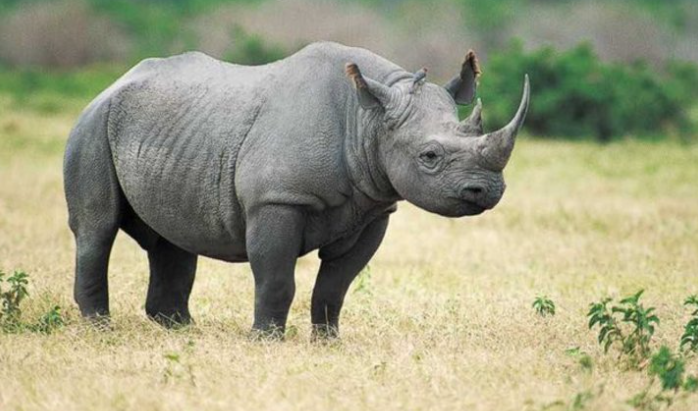
As Assam is my birthplace, and because of my love for these rhinos, I was inspired to write about Kaziranga National Park.
Kaziranga National Park is a UNESCO World Heritage Site. It is home to almost two-thirds of the world’s great one-horned rhinoceroses.
Kaziranga National Park (KNP) is located in the Golaghat, Nagaon, and Sonitpur districts of Assam. The park was designated a UNESCO World Heritage Site in 1985 and covers an area of about 430 square kilometres. It lies between the Brahmaputra River and the Karbi (Mikir) Hills.
Kaziranga was first proposed as a Reserve Forest on 1 June 1905, with an area of 232 square kilometres. Later, under the Assam National Park Act, it was declared a National Park.
This protected area is rich in natural beauty and boasts a remarkable diversity of flora and fauna.
According to the March 2018 census conducted jointly by the Assam Forest Department and several recognised wildlife NGOs, Kaziranga had 1,641 adult rhinos and 385 calves, bringing the total rhino population to 2,613.
Kaziranga National Park was declared a Tiger Reserve in 2006. It has one of the highest densities of Bengal tigers in the world. The park is also home to large breeding populations of elephants, wild water buffaloes, and swamp deer.

Kaziranga is recognised as an Important Bird Area by BirdLife International for the conservation of avifaunal species. The term “avifauna” refers to the birds found in a particular region, habitat, or period.
Kaziranga has achieved notable success in wildlife conservation compared to many other protected areas in India. Located on the edge of the Eastern Himalaya Biodiversity Hotspot, the park combines high species diversity with excellent wildlife visibility.
Many migratory birds visit Kaziranga during the winter season. These include the lesser white-fronted goose, ferruginous duck, Baer’s pochard, lesser adjutant, greater adjutant, black-necked stork, and Asian openbill stork, which migrate from Central Asia.

The park is crossed by four important rivers: the Brahmaputra, the Diphlu, the Mora Diphlu, and the Mora Dhansiri.
Although India is home to many remarkable wildlife heritage sites, Kaziranga National Park will always remain in my heart as the pride and soul of Assam.